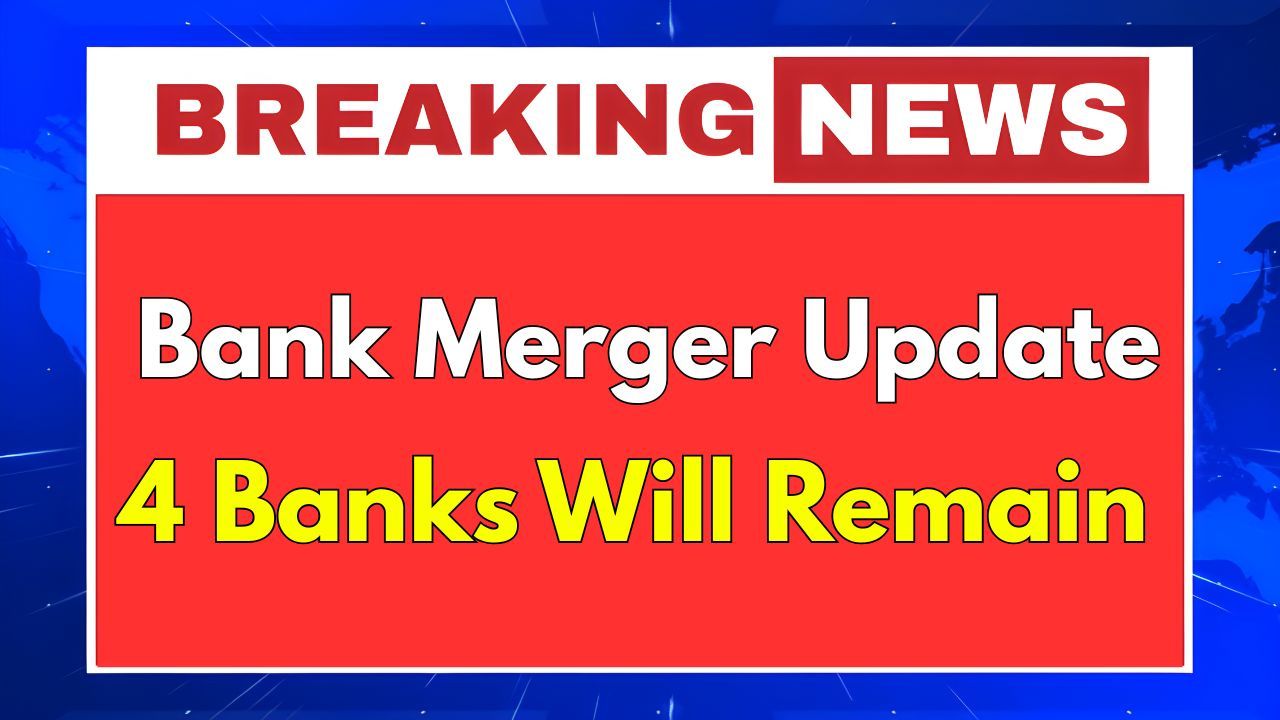
India’s banking sector is expected to see a major change in February 2026 as talks about the merger of four banks continue to gain momentum. This proposed move is part of a long-term effort to make the banking system stronger, safer, and more efficient. The idea behind the merger is to create larger banks that can manage risks better, serve customers more smoothly, and support the country’s growing economy.
Why Bank Mergers Are Being Planned
Over the past decade, the Indian government and banking regulators have pushed for reforms to improve the health of banks. Some banks faced issues such as weak balance sheets, rising bad loans, and limited capital. Merging banks has been seen as one way to solve these problems. When smaller or stressed banks are combined with stronger ones, the overall institution becomes more stable and better prepared to handle financial challenges. The proposed four-bank merger follows this same reform path.
Role of the Reserve Bank of India
Any bank merger in India requires close supervision by the Reserve Bank of India. The RBI checks whether the merger will protect depositors and maintain financial stability. It carefully reviews factors such as governance standards, risk control systems, capital strength, and management practices. Only after these checks are completed can a merger move forward. This careful approach helps ensure that customers’ money remains safe throughout the process.
यह भी पढ़े:
 Senior Citizen Train Ticket Discount : Senior Citizens will get 50% Discount on Train Tickets
How Consolidation Can Help
Bringing four banks together can reduce overlapping operations and cut unnecessary costs. Shared technology, combined branch networks, and unified management can improve efficiency. A larger bank can also lend more easily to big projects, support small and medium businesses, and compete better with global banks. In the long run, consolidation is expected to create a stronger institution that can handle economic ups and downs more confidently.
What Customers Can Expect
For customers, a bank merger may bring some short-term changes. These can include updates to branch locations, account systems, or digital banking platforms. However, deposits remain protected under existing banking laws. Loan terms and interest rates usually stay the same unless officially revised. Over time, customers often benefit from improved services, better technology, and a wider branch and ATM network.
Impact on Bank Employees
Employees may see changes in roles or work locations as banks integrate their operations. Based on earlier mergers, the process is usually gradual, with efforts made to avoid sudden job losses. Training and internal adjustments help staff adapt to the new structure.

Looking Ahead
The proposed four-bank merger shows India’s aim to build fewer but stronger banks. If approved, the merger process is likely to begin in stages after February 2026. This step could further strengthen the banking system and improve services for customers nationwide.
Disclaimer
This article is for informational purposes only. Details about the bank merger may change based on official government and regulatory announcements. Readers should rely on confirmed statements from authorities for final information.